GUIDES
When UX Designers Should Do Research (And When They Shouldn’t)
May 6, 2025
In 2026, the question is no longer whether UX designers can do research but when they should, when they shouldn’t, and what kind of research actually adds value.

In many organizations, UX designers are increasingly expected to “do research.” Sometimes this expectation is justified. Often, it is a symptom of unclear roles, limited resources, or organizational UX immaturity.
In 2026, the question is no longer whether UX designers can do research but when they should, when they shouldn’t, and what kind of research actually adds value.
This article clarifies:
When UX designers doing research is appropriate
When it becomes risky or counterproductive
How to avoid confusing research activity with research rigor
The Root of the Confusion
UX designers and UX researchers share a common goal: reducing uncertainty to improve user outcomes. However, they approach this goal differently.
UX designers focus on solution shaping
UX researchers focus on evidence generation and validation
Problems arise when organizations:
Expect designers to replace researchers
Treat research as a checklist rather than a discipline
Assume “talking to users” equals research
Understanding intent is more important than job titles.
When UX Designers Should Do Research
There are several scenarios where UX designers conducting research is not only acceptable but necessary.
1. Early Discovery in Low-Risk Contexts
When uncertainty is high and scope is still fluid, UX designers are often best positioned to run lightweight discovery.
Examples:
Exploratory user interviews
Problem framing conversations
Assumption validation
At this stage, the goal is not statistical confidence it is directional clarity.
Why this works
Designers are closest to the problem
Speed matters more than rigor
Insights directly influence design decisions
2. Continuous Feedback During Design Iteration
UX designers should absolutely run usability testing on their own work, especially when iterating on flows, components, or interactions.
Common examples:
Prototype usability testing
Concept validation
Interaction feedback
Tools often used here include:
Figma (interactive prototypes)
Maze (lightweight usability tests)
Why this works
Fast feedback loops
Direct accountability
Clear design ownership
Links:
https://www.figma.com
https://maze.co
3. When No UX Researcher Is Available
In many teams especially startups or smaller organizations UX designers are the only UX function.
In these cases, doing no research at all is far riskier than doing imperfect but intentional research.
Appropriate approaches:
Structured interviews
Basic usability tests
Pattern validation
The key is transparency: clearly state limitations and confidence levels.
When UX Designers Should Not Do Research
There are equally important scenarios where UX designers stepping into research creates false confidence or strategic risk.
1. High-Stakes or Regulated Decisions
In domains such as finance, healthcare, energy, or government, research decisions can have legal, ethical, or operational consequences.
Examples:
Regulatory compliance validation
Safety-critical workflows
Policy-driven user journeys
These contexts require:
Methodological rigor
Auditability
Bias mitigation
This is where dedicated researchers and tools like Dovetail are essential.
Link: https://dovetail.com
2. Large-Scale Quantitative or Longitudinal Studies
UX designers should not be expected to run:
Longitudinal studies
Large quantitative surveys
Behavioral analytics interpretation without training
These require:
Statistical literacy
Sampling strategy
Analytical rigor
Misinterpreting this data can lead to confident but incorrect design decisions.
3. When Designers Are Asked to “Prove” a Solution
One of the most dangerous patterns in UX is asking designers to research after a solution has already been chosen.
In these situations, research becomes:
Performative
Biased
Politically motivated
UX designers should resist doing research when:
Outcomes are predetermined
Negative findings are unwelcome
Research is used as validation theater
The Middle Ground: Shared Responsibility, Clear Boundaries
Some tools are shared but used differently.
Miro

Designers: ideation, mapping
Researchers: synthesis, clustering
Notion
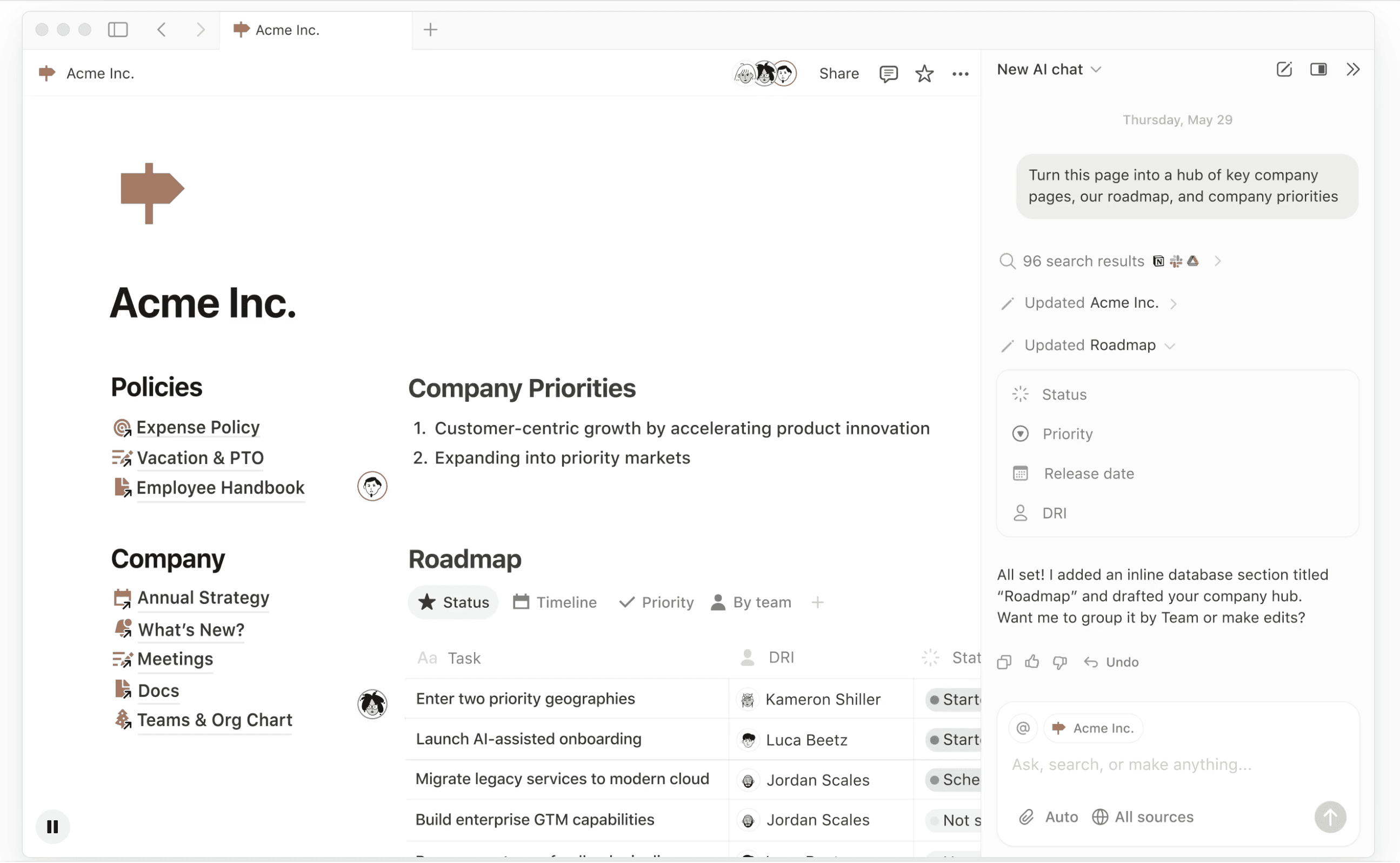
Designers: decisions, patterns
Researchers: insights, evidence
Links:
https://miro.com
https://www.notion.so
Clear intent prevents role dilution.
A Simple Decision Framework
Before UX designers do research, ask:
Is this research exploratory or evaluative?
What is the risk of being wrong?
Who will act on the findings?
Do we need speed or rigor?
If speed and learning matter → designers can lead
If rigor and defensibility matter → researchers should lead
Final Thoughts
UX designers doing research is not a problem.
UX designers doing the wrong kind of research for the wrong reasons is.
In mature UX organizations:
Designers explore and iterate
Researchers validate and protect rigor
Tools support intent not role confusion
Understanding when to step in and when to step back is a core senior UX skill.
This article connects directly to upcoming UX Mini-Series episodes and future UX courses focused on real-world UX practice in complex systems.